

Staying active is important for heart health, energy, and mobility, but high-impact exercise is not always kind to the joints. Many people experience discomfort in the knees, hips, or ankles when running or jumping, especially as they age or recover from injury. Low-impact cardio offers a way to keep the heart strong without placing excess stress on the body. With the right activities, it is possible to improve fitness, protect joints, and stay consistent long term.
Why Low-Impact Cardio Supports Joint Health
Low-impact cardio reduces the amount of force placed on joints during movement. Unlike high-impact exercises that involve pounding or sudden stops, low-impact options keep at least one foot on the ground or use smooth, guided motion. This helps protect cartilage and connective tissue while still raising the heart rate.
These exercises are especially helpful for people with arthritis, past injuries, or joint sensitivity. They also support better form and control, which lowers the risk of strain. Because they are more comfortable, low-impact workouts are often easier to stick with over time, which is key for long-term joint health.
Walking and Incline Walking
Walking is one of the simplest and most accessible forms of low-impact cardio. It places minimal stress on the joints while still improving circulation and endurance. Walking outdoors or on a treadmill allows for easy control of pace and duration.
Adding a slight incline increases intensity without adding impact. Incline walking engages the muscles around the hips and knees, which helps support joint stability. Regular walking also improves balance and mobility, making everyday movement easier and safer.
Comfortable footwear and proper posture make walking even more joint-friendly.
Cycling and Stationary Biking
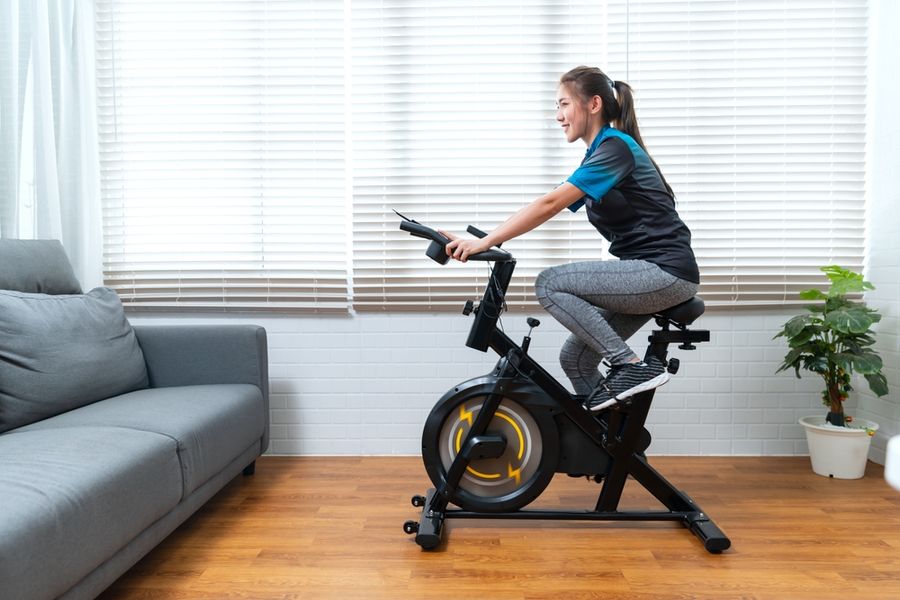
Cycling provides a smooth, circular motion that is gentle on the joints. Because the body is supported by the bike, there is less weight placed on the knees and ankles. This makes cycling a popular option for people managing joint pain.
Stationary bikes offer additional control over resistance and position. Recumbent bikes provide back support and reduce pressure on the hips, while upright bikes allow for a more traditional riding feel. Both options raise the heart rate without sudden impact.
Adjusting seat height properly is important to avoid knee strain and support comfortable movement.
Swimming and Water-Based Exercise
Water-based cardio is one of the most joint-friendly options available. The buoyancy of water supports body weight, reducing stress on joints while allowing full movement. Swimming engages the entire body and improves cardiovascular fitness without impact.
Water walking, aqua aerobics, and gentle laps all provide benefits. Resistance from the water adds strength training without strain. This makes water exercise ideal for people with joint pain, limited mobility, or recovery needs.
Consistent water workouts improve endurance and flexibility while keeping joints protected.
Elliptical Machines
Elliptical machines offer a low-impact alternative to running. The guided motion keeps feet connected to the pedals, eliminating pounding on the joints. At the same time, the movement mimics walking or running patterns, making it feel familiar.
Many ellipticals also include arm handles, allowing for full-body movement. Resistance and incline settings can be adjusted to increase intensity without increasing impact. This flexibility makes ellipticals suitable for beginners and experienced exercisers alike.
Using proper posture and controlled movement helps maximize benefits while keeping joints comfortable.
Rowing for Full-Body Cardio
Rowing provides a low-impact workout that engages both the upper and lower body. The seated position reduces stress on the knees and hips while allowing strong leg drive and core engagement.
The smooth sliding motion of rowing machines minimizes joint strain. When done with proper form, rowing strengthens muscles that support joints, including the glutes, hamstrings, and back. This added strength helps protect joints during other daily activities.
Starting with light resistance and focusing on technique ensures a safe and effective workout.
Dance-Based and Low-Impact Fitness Classes
Many dance-inspired or low-impact fitness classes are designed to be easy on the joints while still offering cardio benefits. These workouts focus on flowing movements rather than jumping or sudden changes in direction.
Low-impact aerobics, step-free dance routines, and rhythm-based classes improve coordination and heart health without stressing joints. They also add variety and enjoyment, which supports consistency.
Choosing classes labeled low-impact or joint-friendly helps ensure movements stay controlled and supportive.
How to Choose the Right Option
The best low-impact cardio option is one you enjoy and can do regularly. Joint comfort should always guide your choice. If an activity causes pain during or after exercise, it may need adjustment or replacement.
Mixing different low-impact options helps prevent overuse and keeps workouts interesting. Rotating between walking, cycling, swimming, or machines allows joints to move in different ways while maintaining cardiovascular fitness.
Listening to your body and progressing gradually supports long-term success.
Supporting Joint Health Beyond Cardio
Low-impact cardio works best when paired with other joint-supportive habits. Strength training builds muscles that stabilize joints, while stretching maintains range of motion. Proper warm-ups and cool-downs reduce stiffness and injury risk.
Staying consistent matters more than intensity. Short, regular sessions provide more benefit than occasional hard workouts. Over time, this steady approach supports joint health and overall fitness.
Protecting Joints While Staying Active
Low-impact cardio offers a practical way to improve heart health without sacrificing joint comfort. Activities like walking, cycling, swimming, elliptical training, rowing, and gentle classes provide effective movement with reduced strain.
By choosing exercises that feel smooth and supportive, you can stay active, protect your joints, and build a routine that lasts. Joint-friendly cardio makes it possible to move with confidence and maintain health at any stage of life.