

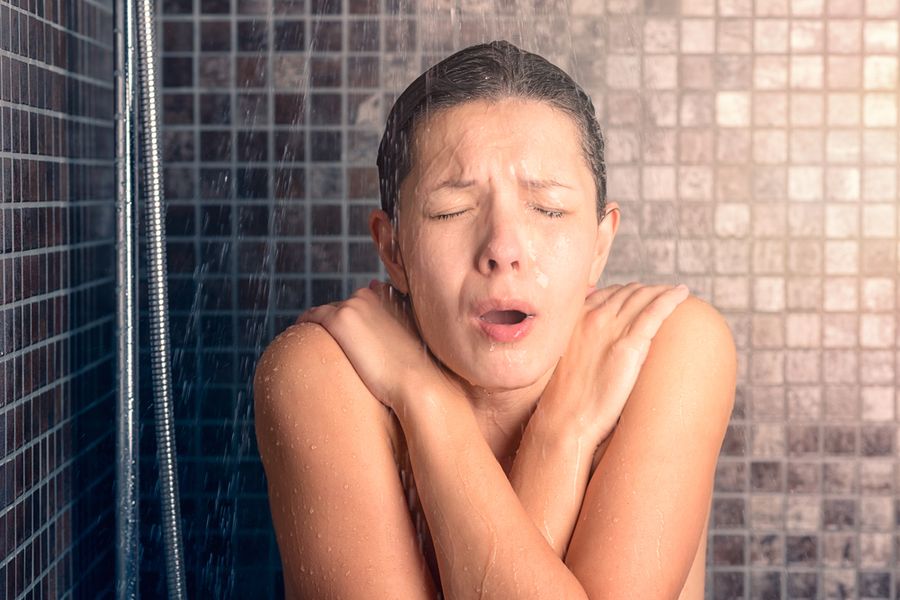
Cold exposure has become a popular wellness habit for people looking to boost energy, improve recovery, and build mental resilience. Two of the most common methods are cold showers and cold plunges. While both involve exposing the body to cold water, the experience and effort required are very different. Understanding how each method works can help you decide which one fits your lifestyle, comfort level, and goals without overcomplicating your routine.
What Cold Exposure Does to the Body
Cold exposure triggers a strong physical response. When cold water hits the skin, blood vessels tighten and breathing becomes faster. This reaction wakes up the nervous system and increases alertness. After the exposure ends, blood flow increases again, creating a warming effect that many people find refreshing.
Both cold showers and cold plunges create this response, but the intensity can vary. The key benefit comes from short, controlled exposure rather than extreme discomfort. Consistency matters more than duration, especially for people new to cold exposure.
Cold Showers: Easy and Accessible
Cold showers are the most accessible way to practice cold exposure. Most people already have everything they need to try one. Turning the water cold at the end of a normal shower allows for gradual adjustment , which makes the habit easier to maintain.
Cold showers are flexible. You can control water temperature, exposure time, and frequency. This makes them ideal for beginners or people who want a quick energy boost in the morning. Even short exposures can feel invigorating and help shake off mental fog.
Because cold showers are part of a daily routine, they are easier to repeat consistently. This regular exposure helps the body adapt over time, making the experience more manageable and less stressful.
Cold Plunges: Deeper and More Intense
Cold plunges involve fully or mostly submerging the body in cold water. This creates a stronger physical response compared to a shower. The water temperature is usually colder, and more of the body is exposed at once.
The intensity of cold plunges often leads to a stronger mental challenge . Staying calm while submerged requires focus and controlled breathing. For some people, this mental training is part of the appeal. Cold plunges are often used after workouts or during recovery-focused routines.
However, cold plunges require more setup, space, and preparation. This can make them harder to practice regularly, especially in smaller homes or busy schedules.
Comparing Convenience and Consistency
One of the biggest differences between cold showers and cold plunges is convenience. Cold showers can be done almost anywhere and require no special preparation. This makes them easier to stick with over time.
Cold plunges often require planning. Water temperature must be managed, and sessions usually take place at specific times. While the experience may feel more intense, the extra effort can reduce consistency.
When choosing between the two, it helps to consider which method you are more likely to maintain. A simple habit done often is usually more effective than an intense habit done rarely.
Mental Challenge and Comfort Levels
Cold exposure is as much a mental challenge as a physical one. Cold showers allow gradual exposure, making it easier to stay calm. You can start with short bursts and increase time slowly, which helps build confidence.
Cold plunges offer less room for adjustment. The initial shock can be strong, especially for beginners. This intensity can be motivating for some people but discouraging for others. Comfort level plays a big role in whether the habit becomes sustainable.
Neither method needs to feel overwhelming to be effective. Listening to your body and staying within safe limits is important for both approaches.
Recovery and Physical Use Cases
Some people use cold exposure as part of a recovery routine after exercise. Cold plunges expose the entire body at once, which may feel more thorough. This is one reason they are popular in athletic settings.
Cold showers still offer recovery benefits, especially when focused on specific areas like legs or shoulders. The difference often comes down to preference rather than necessity. Both methods support circulation and provide a refreshing reset after physical activity.
For general wellness and daily energy, cold showers are often enough. Cold plunges may appeal more to people with specific recovery routines or structured wellness schedules.
Safety and Practical Considerations
Cold exposure should always be approached with care. Starting slow is important , especially for people with health concerns. Short exposures are usually enough to feel benefits without pushing limits.
Cold showers allow for easier exit if discomfort becomes too strong. Cold plunges require more attention to breathing and timing. Knowing when to stop is essential for both methods.
Staying consistent with moderate exposure is safer and more effective than forcing long or extreme sessions.
Which Option Fits Best Into Daily Life?
The better option is often the one that fits naturally into your routine. Cold showers are easier to integrate into daily life and require less commitment. Cold plunges offer a more intense experience but demand more effort and planning.
Some people choose to use both, depending on schedule and goals. Others stick to one method that feels manageable and effective. There is no single right answer, only what works best for you.
Choosing the Right Cold Exposure Method
Cold showers and cold plunges both offer benefits, but they serve different lifestyles. Cold showers are simple, accessible, and easy to maintain, making them a strong choice for daily use. Cold plunges provide a deeper, more intense experience that appeals to those seeking a greater mental and physical challenge.
The best method is the one you can practice consistently and safely. By choosing an approach that fits your routine, cold exposure can become a sustainable and energizing habit.