

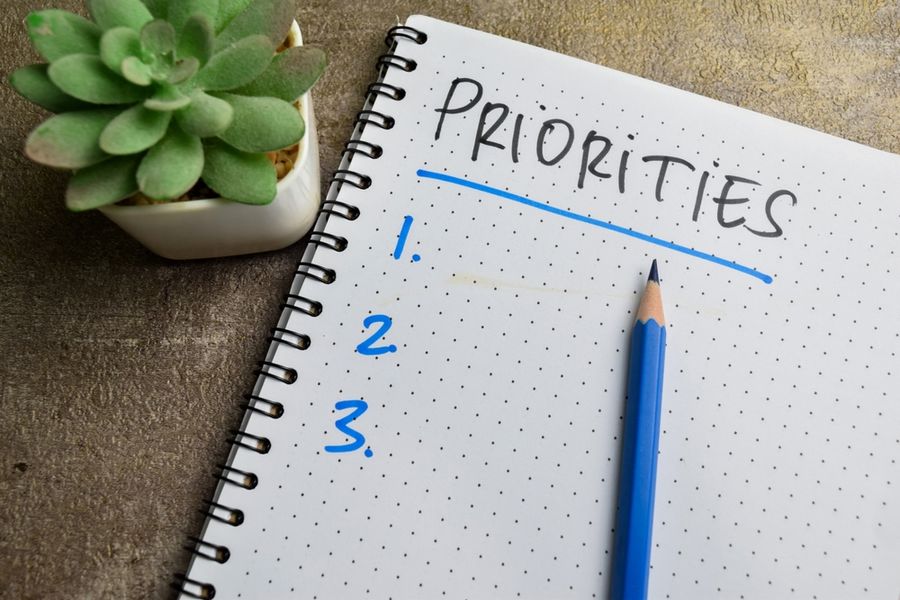
Distractions are one of the biggest barriers to focused work and meaningful progress. Messages, ideas, reminders, and random thoughts constantly compete for attention, making it hard to stay on task. The Two-List Strategy offers a simple way to manage noise without relying on complicated systems. By separating what matters now from everything else, the method helps reduce mental clutter and protect focus. It works because it is clear, flexible, and easy to maintain during busy days.
What the Two-List Strategy Is
The Two-List Strategy is built on a clear separation of priorities. You maintain two lists: a primary list and a secondary list. The primary list contains only the tasks you actively intend to work on today. The secondary list holds everything else that could distract you, including ideas, requests, reminders, or tasks that matter but not right now.
The key is that the primary list stays intentionally small. It represents your focus boundary. Anything that does not belong there goes onto the secondary list instead of staying in your head. This separation makes it easier to focus without worrying that you are forgetting something important.
Why Distractions Feel So Overwhelming
Distractions are not just external. Many come from your own thoughts. When tasks and ideas pile up mentally, your brain keeps checking them for urgency. This constant scanning drains attention and increases stress.
The Two-List Strategy reduces this load by giving thoughts a place to land. When you write something down on the secondary list, your brain can let go of it temporarily. This creates mental space and allows deeper focus on what you have already chosen to work on.
How to Build an Effective Primary List
The primary list should be short and realistic. Limiting it to three to five tasks is often enough. These tasks should represent what truly needs your attention during the current work period or day. Overloading this list defeats its purpose and recreates the feeling of overwhelm.
Each task on the primary list should be clear and actionable. Instead of vague items, choose specific next steps. This clarity reduces hesitation and helps you start without friction. When you finish a task, you remove it from the list, reinforcing progress and keeping focus tight.
Using the Secondary List as a Distraction Buffer
The secondary list acts as a safe holding space. Anytime a new thought, task, or request appears, you write it there instead of switching focus. This prevents distractions from interrupting your current work while still honoring their importance.
This list can include future tasks, creative ideas, reminders, or things you want to research later. Knowing that these items are captured reduces the urge to act on them immediately. Over time, the secondary list becomes a trusted system rather than a source of pressure.
How the Strategy Supports Deep Focus
Deep focus requires clear boundaries. The Two-List Strategy creates those boundaries by defining what is allowed to claim your attention. When a distraction appears, you do not have to decide whether to act on it. You already know it belongs on the secondary list.
This removes repeated decision-making, which is a major cause of mental fatigue. Instead of constantly evaluating priorities, you follow a simple rule. Focus stays on the primary list until you intentionally choose to review the secondary one.
When and How to Review the Secondary List
The secondary list is not ignored. It is reviewed at planned times, such as at the end of the day or during a weekly review. This allows you to move items to the primary list when they become relevant.
Reviewing the secondary list regularly prevents tasks from piling up unseen. It also helps you notice patterns, such as recurring distractions or commitments that no longer matter. This reflection strengthens decision-making and improves how you choose priorities going forward.
Reducing Digital and Environmental Distractions
The Two-List Strategy works best when paired with simple environment changes. Keeping your primary list visible and removing unnecessary digital alerts reinforces focus. When distractions are reduced externally, the list system becomes even more effective.
Using one consistent place for both lists also helps. Whether on paper or in a simple note, having a single trusted system reduces friction. The goal is not perfection, but reliability. The easier the system is to use, the more likely it will stick.
Common Mistakes That Reduce Effectiveness
One common mistake is treating the secondary list as a dumping ground without review. This can create anxiety if items never get addressed. Scheduling regular reviews prevents this problem.
Another mistake is letting the primary list grow too large. When everything feels important, nothing truly is. Keeping the primary list small preserves its power. Finally, switching tasks before finishing them weakens focus. The strategy works best when tasks are completed before moving on.
Adapting the Strategy to Different Work Styles
The Two-List Strategy is flexible. Some people reset both lists daily, while others maintain them across the week. Some use it for work tasks, while others apply it to personal goals or household responsibilities.
The structure stays the same even as the content changes. One list protects focus now. The other captures everything else. This simplicity makes it easy to adapt without adding complexity.
Creating Focus Through Clear Separation
The Two-List Strategy helps eliminate distractions by separating immediate priorities from everything else competing for attention. By giving distractions a safe place to go, it reduces mental clutter and protects focus.
The system works because it is simple, intentional, and easy to maintain. When used consistently, it creates clearer work sessions, steadier progress, and a calmer relationship with attention.