

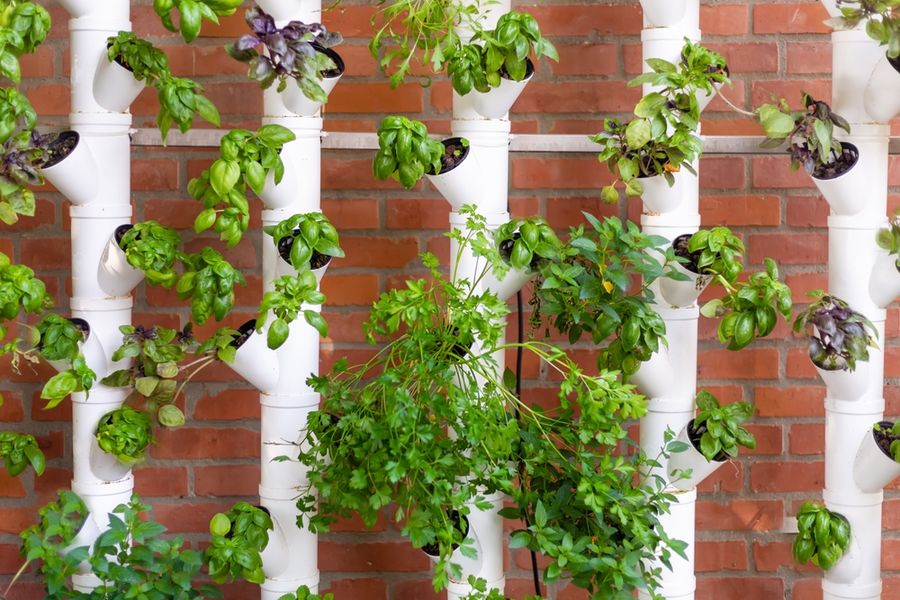
Growing fresh herbs indoors no longer requires a sunny backyard or a wide windowsill. Vertical herb gardens make it possible to grow flavorful plants year-round, even in small apartments or homes with limited light. By stacking plants upward instead of spreading them out, vertical systems save space while keeping herbs easy to reach. With the right setup and care, indoor vertical gardens can provide consistent harvests and bring fresh greenery into everyday living spaces.
Why Vertical Herb Gardens Make Sense Indoors
Vertical herb gardens are designed to maximize limited space. Instead of using wide planters or multiple pots, they arrange plants in tiers or columns. This layout works well in kitchens, dining areas, or living rooms where floor and counter space is limited.
Indoors, vertical systems also help keep herbs organized and visible. When plants are easy to see and reach, they are more likely to be watered, trimmed, and used. This improves plant health and reduces waste. Vertical gardens also add visual interest, turning herbs into a functional design feature rather than clutter.
Popular Types of Indoor Vertical Herb Systems
Several types of vertical herb gardens work well indoors. Wall-mounted planters use pockets or shelves attached to a wall, making them ideal for unused vertical space. These systems work best when paired with good lighting and careful watering to prevent drips.
Freestanding vertical towers are another option. These tall, narrow units hold multiple plants in a single structure and can be placed in corners or near windows. Some use soil, while others rely on water-based growing methods. Countertop vertical gardens are smaller but still stack herbs upward, making them suitable for kitchens with limited space.
The best system depends on available space, light, and how hands-on you want to be with maintenance.
Lighting Requirements for Year-Round Growth
Light is one of the most important factors for indoor herb success. Most herbs need several hours of bright light each day. While sunny windows can help, natural light alone is often inconsistent, especially in winter.
Grow lights solve this problem by providing steady light regardless of season. Many vertical herb systems include built-in lights positioned to reach all plant levels evenly. If lights are separate, placing them close enough to the plants ensures healthy growth without stretching or weak stems.
Consistent lighting helps herbs grow evenly and keeps flavor strong. A regular light schedule also supports predictable growth throughout the year.
Watering and Drainage Considerations
Watering indoor vertical gardens requires balance. Too much water can lead to root problems, while too little can dry plants quickly. Vertical systems often dry out faster than single pots because of increased air exposure.
Some systems include built-in reservoirs that distribute water evenly, reducing guesswork. Others require hand watering, which works well when done regularly and carefully. Good drainage is essential. Excess water should have a clear path out of the system to avoid buildup at lower levels.
Checking moisture levels regularly helps prevent issues before they affect the plants.
Best Herbs for Indoor Vertical Gardens
Not all herbs grow equally well indoors. Some adapt better to limited space and steady conditions. Basil, parsley, cilantro, chives, mint, and thyme are popular choices for vertical gardens. These herbs tolerate frequent trimming and grow well with consistent light.
Mint should be given its own space when possible, as it spreads quickly. Woody herbs like rosemary can work indoors but may need stronger light and careful watering. Choosing herbs you use often increases the value of the garden and encourages regular care.
Starting with a small selection helps build confidence before expanding the garden.
Placement and Airflow Inside the Home
Where you place a vertical herb garden matters. Kitchens are convenient, but heat from appliances can affect plants. Living areas with stable temperatures often work better. Keeping the garden away from drafts and vents helps maintain steady conditions.
Airflow is also important. Gentle air movement reduces moisture buildup and helps prevent mold. This can be as simple as opening a door occasionally or placing the garden in a room with natural circulation.
Thoughtful placement supports plant health and keeps the garden comfortable to maintain.
Maintenance and Harvesting Tips
Indoor vertical herb gardens require regular but simple care. Trimming herbs encourages fuller growth and prevents plants from becoming leggy. Harvesting small amounts often works better than cutting large sections at once.
Removing yellow or damaged leaves helps keep the system clean and healthy. Checking for pests, even indoors, prevents small issues from spreading. Because vertical gardens are compact, problems are usually easy to spot early.
A consistent care routine makes indoor herb gardening feel manageable rather than demanding.
Fresh Herbs in Any Season
Vertical herb gardens make year-round indoor growing practical and accessible. By using vertical space, steady lighting, and thoughtful watering, these systems support healthy herbs even when outdoor growing is not an option.
With the right setup, indoor vertical gardens provide fresh flavor, visual appeal, and a simple connection to food throughout the year. For anyone looking to grow herbs without a yard, vertical gardening offers a reliable and rewarding solution.