

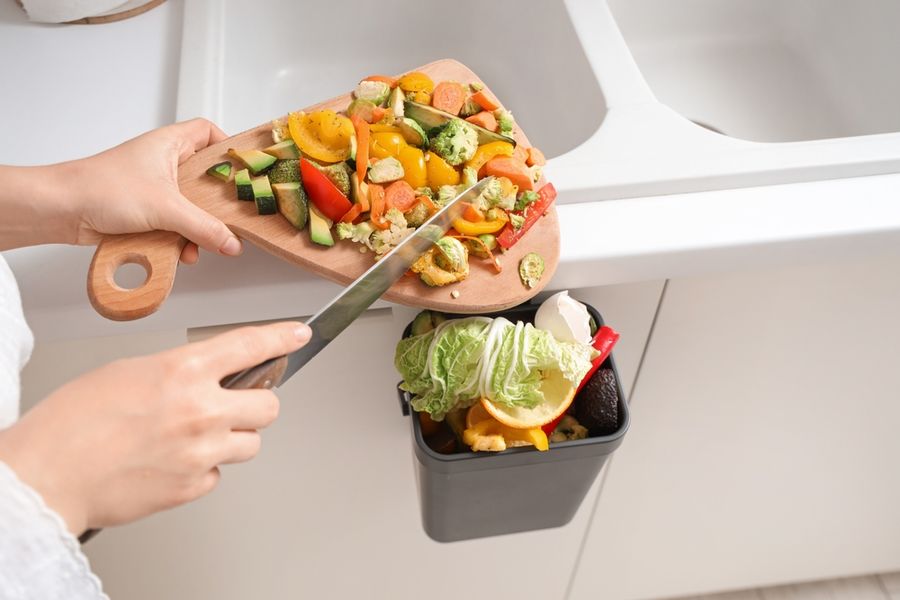
Composting in an urban home can feel tricky when space is limited and outdoor access is not guaranteed. Many people assume composting requires a backyard or large bin, but modern systems have made it possible to compost effectively in apartments, condos, and small homes. From countertop units to compact outdoor options, modern composting systems are designed to control odor, reduce mess, and fit into city living. Choosing the right system makes composting practical, clean, and easy to maintain year-round.
Countertop Composters for Indoor Convenience
Countertop composters are designed for people who want a clean, contained way to handle food scraps indoors. These systems usually sit on a kitchen counter and process scraps into dry, soil-like material. They are fully enclosed, which helps control odor and pests, making them suitable for apartments.
Most countertop composters are simple to use. You add food scraps, close the lid, and let the system handle the rest. Because everything happens inside a sealed unit, there is no need to manage piles or turn material by hand. These systems work well for people who cook often and want to reduce waste without dealing with traditional compost bins.
While the output may still need to be added to soil or plants, countertop composters significantly reduce volume and smell, making composting less intimidating for beginners.
Bokashi Systems for Small Spaces
Bokashi composting is a fermentation-based system that works well in tight spaces. It uses a sealed container and a special process to break down food waste, including items that are harder to compost traditionally, such as cooked foods. Because the container stays closed, odors are kept under control.
Bokashi systems are compact and often fit under sinks or in small utility areas. Food scraps are layered inside the container and left to ferment over time. Once the process is complete, the material can be added to soil, planters, or a secondary compost system.
This method works well for urban homes because it requires little space and minimal handling. It is especially useful for people who want flexibility in what they compost without maintaining a large bin.
Worm Composting for Apartment Living
Worm composting, also known as vermicomposting, uses worms to break down food scraps into nutrient-rich compost. Compact worm bins are designed for indoor use and can fit in closets, laundry rooms, or under counters.
When properly maintained, worm bins produce very little odor. The worms do most of the work, turning scraps into usable compost over time. This system works best for fruit and vegetable waste, coffee grounds, and paper products. Meat and dairy are usually avoided.
Worm composting appeals to people who enjoy hands-on systems and want a natural process. It does require regular care, such as monitoring moisture and feeding worms properly, but many urban composters find it manageable and rewarding.
Compact Outdoor Composters for Balconies and Patios
For urban homes with balconies, patios, or small outdoor areas, compact outdoor composters offer another option. These systems are smaller than traditional backyard bins and are often designed to minimize odor and pests.
Tumbler-style composters are popular in urban settings because they keep compost enclosed and elevated. Turning the bin helps mix materials and speed up breakdown. Because they are sealed, they reduce exposure to pests and weather.
These composters work well for people who want a more traditional composting experience without needing a yard. Proper placement and regular maintenance help ensure the system stays clean and neighbor-friendly.
Municipal and Drop-Off Composting Support
In many urban areas, composting does not have to happen entirely at home. Some cities offer curbside compost pickup or neighborhood drop-off locations. Using a small kitchen container to collect scraps and then transferring them to a community system reduces the need for in-home processing.
This approach works well for people who want to compost without managing a full system. It also supports local composting programs and reduces landfill waste. Checking local guidelines helps ensure food scraps are prepared correctly for drop-off or pickup.
Community composting pairs well with simple countertop scrap containers that store waste until it can be taken out.
Choosing the Right System for Your Lifestyle
The best composting system depends on your space, routine, and comfort level. People who want low effort may prefer countertop composters or municipal programs. Those who enjoy hands-on processes may find worm bins or bokashi systems more engaging.
It also helps to consider how much food waste your household produces. Smaller households may only need a compact system, while larger households may benefit from a combination of methods. Starting simple makes it easier to build the habit without feeling overwhelmed.
Matching the system to your lifestyle increases the chances that composting becomes a regular part of daily life rather than a short-lived experiment.
Tips for Successful Urban Composting
Regardless of the system you choose, a few habits help ensure success. Keeping a small container in the kitchen makes collecting scraps easy. Learning which foods work best for your system prevents problems before they start.
Regular maintenance matters. Emptying containers, cleaning bins, and following basic care steps keep composting clean and odor-free. Paying attention early prevents small issues from becoming frustrating.
Composting works best when it fits naturally into your routine instead of feeling like an extra chore.
Composting Made Practical for City Living
Urban composting is more accessible than ever thanks to compact, well-designed systems. Whether you choose a countertop composter, bokashi bin, worm system, or small outdoor unit, there are options that fit city spaces and busy routines.
By selecting a system that matches your home and habits, composting becomes clean, manageable, and rewarding. With the right setup, reducing food waste is not only possible in urban homes—it’s practical and sustainable year-round.