

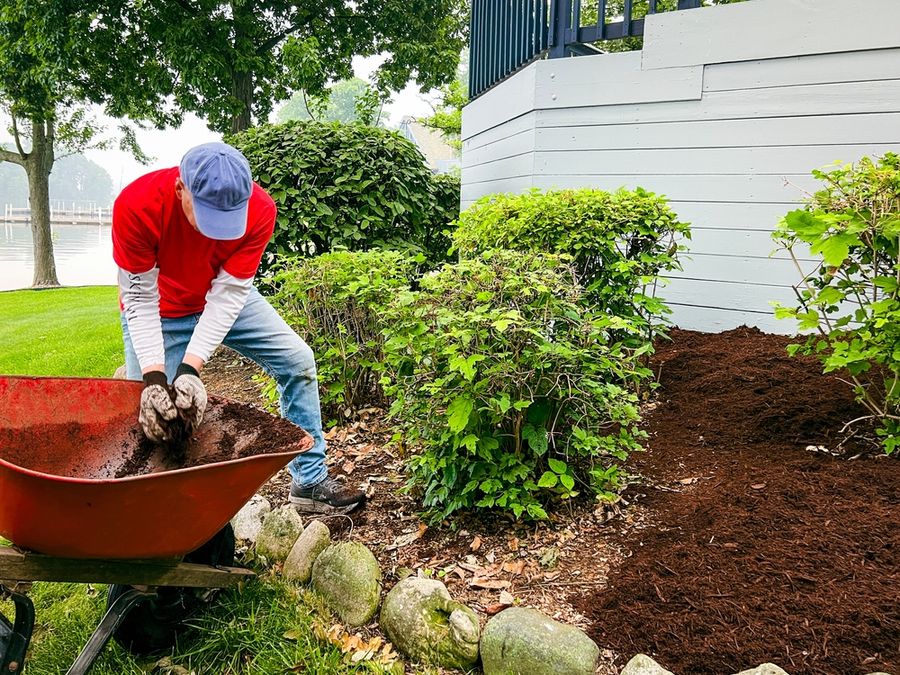
Summer heat can be tough on gardens, especially during long dry spells and intense sun. High temperatures pull moisture from the soil and stress plant roots, making it harder for plants to stay healthy. Mulching is one of the most effective ways to protect plants during hot weather. When used correctly, mulch helps regulate soil temperature, retain moisture, and reduce plant stress. Understanding the right mulching strategies can make a noticeable difference in how plants handle summer conditions.
Why Mulch Matters During Hot Weather
Mulch acts as a protective layer over the soil. During summer, bare soil heats up quickly and loses moisture through evaporation. Mulch slows this process by shielding the soil from direct sunlight and wind. This helps keep the soil cooler and more stable throughout the day.
Mulch also protects plant roots, which are sensitive to extreme heat. When soil temperatures remain more even, roots can continue absorbing water and nutrients. This support is especially important during heat waves, when plants are already under stress and more vulnerable to damage.
Choosing the Right Mulch for Summer
Not all mulch works the same way in hot conditions. Organic mulches are often preferred because they improve soil health as they break down. Common options include wood chips, shredded bark, straw, leaves, and compost. These materials allow water to pass through while still protecting the soil surface.
Lighter-colored mulches reflect more sunlight and may help keep soil slightly cooler. Heavier materials, like bark chips, last longer and are less likely to blow away. The best choice depends on the type of plants you are growing and how often you want to refresh the mulch.
Avoid using materials that trap too much heat or prevent water from reaching the soil. The goal is protection, not insulation that overheats the ground.
How Deep Mulch Should Be Applied
Mulch depth matters as much as mulch type. Too little mulch offers limited protection, while too much can cause problems. In summer, a layer of about two to three inches is usually effective for most garden beds.
This depth helps block sunlight, reduce evaporation, and keep soil temperatures steady. Thinner layers may dry out quickly, while thicker layers can prevent airflow and trap excess moisture. Around plants, mulch should be spread evenly, keeping it a few inches away from stems to prevent rot and pests.
Refreshing mulch as it breaks down helps maintain the right depth throughout the season.
Mulching to Retain Soil Moisture
One of the biggest benefits of mulching during summer is moisture retention. Mulch slows evaporation, allowing water to stay in the soil longer after rain or irrigation. This reduces the need for frequent watering and helps plants stay hydrated between waterings.
To get the most benefit, apply mulch after watering or rainfall. This locks moisture into the soil instead of sealing in dryness. Mulch works best when combined with deep, less frequent watering, which encourages roots to grow deeper where soil stays cooler.
Monitoring soil moisture under the mulch helps ensure plants are getting enough water without overdoing it.
Reducing Weed Growth in Hot Conditions
Weeds compete with plants for water, which becomes a bigger problem during summer heat. Mulch suppresses weed growth by blocking sunlight from reaching weed seeds. Fewer weeds mean more water and nutrients available for your plants.
A consistent mulch layer makes it harder for weeds to take hold. If weeds do appear, they are usually easier to pull from mulched soil. Reducing weed pressure lowers plant stress and helps gardens stay healthier during hot months.
Mulching also reduces the need for frequent soil disturbance, which can dry out the ground further.
Mulching Around Different Types of Plants
Different plants benefit from mulching in different ways. Vegetable gardens often respond well to straw, shredded leaves, or compost, which help retain moisture and improve soil quality. Flower beds benefit from bark or wood chips that stay in place and maintain a neat appearance.
Trees and shrubs also benefit from mulch, especially during summer. A wide mulch ring around the base helps protect roots from heat and conserves water. The mulch should form a donut shape, not a mound, to avoid trapping moisture against the trunk.
Understanding each plant’s needs helps you choose the best mulching approach for your garden.
Timing Mulch Application for Best Results
Timing matters when applying mulch in summer. Applying mulch too early, before the soil warms in spring, can slow growth. Applying it too late, after the soil has already dried out, limits its benefits.
The best time to mulch is once the soil is warm and moist. This usually aligns with early summer or after the first heat waves begin. Adding mulch before extreme heat sets in gives plants a better chance to cope with rising temperatures.
Rechecking mulch after storms or windy conditions ensures it stays evenly spread.
Common Mulching Mistakes to Avoid
One common mistake is piling mulch too close to plant stems or trunks. This can trap moisture and lead to rot or pests. Keeping space around the base of plants allows airflow and reduces problems.
Another mistake is using mulch as a substitute for watering. While mulch helps retain moisture, plants still need water, especially during extreme heat. Mulch works best as part of a complete care routine, not as a standalone solution.
Finally, ignoring mulch breakdown can reduce effectiveness. Organic mulch needs refreshing to maintain proper depth and coverage.
Protecting Plants With Smart Mulching
Mulching is a simple but powerful way to help plants survive summer heat. By choosing the right materials, applying the correct depth, and timing it well, you protect soil moisture and reduce temperature stress.
Mulch also limits weeds and supports healthier root systems during the hottest months. With thoughtful mulching strategies, gardens become more resilient, water-efficient, and better equipped to handle the challenges of summer heat.