

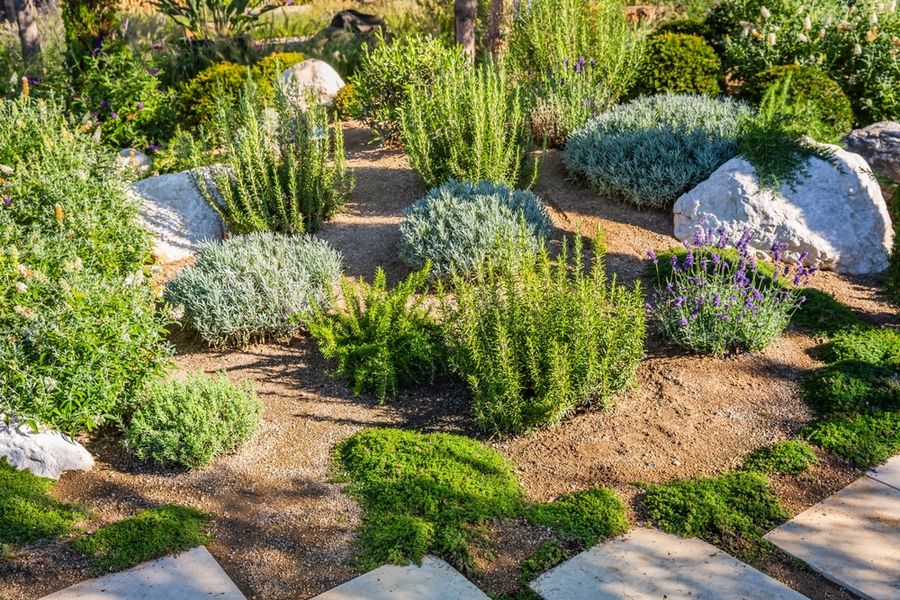
Designing a low-water landscape is a smart way to create an attractive yard while using fewer resources. Whether you live in a dry climate or simply want to reduce outdoor water use, thoughtful landscape design can make a big difference. A low-water landscape focuses on plant choices, layout, and soil care that support healthy growth with minimal watering. With the right approach, you can build an outdoor space that looks good year-round and requires less maintenance.
Understanding the Basics of Low-Water Landscaping
Low-water landscaping, often called water-wise or drought-tolerant landscaping, is designed to reduce the need for frequent irrigation. This does not mean giving up greenery or visual interest. Instead, it means working with natural conditions rather than against them.
The foundation of low-water design is choosing plants that match your local climate and soil. Native and drought-tolerant plants are adapted to regional weather patterns and typically require less water once established. Grouping plants with similar water needs also helps prevent overwatering and makes care easier.
Planning Your Landscape Layout
A successful low-water landscape starts with a clear plan. Before planting, take time to observe how your yard behaves. Notice where sunlight falls throughout the day, where water collects after rain, and which areas dry out quickly.
Divide your yard into zones based on water needs. Areas near the house or main walkways may receive more attention and can include plants that need occasional watering. Farther areas can feature tougher plants that thrive with little water. This zoning approach helps you use water only where it is most effective.
Hardscaping elements like paths, patios, and seating areas also reduce the amount of planted space, which lowers overall water demand.
Choosing the Right Plants
Plant selection plays a major role in water use. Native plants are often the best choice because they are adapted to local rainfall and temperature patterns. Drought-tolerant plants from similar climates can also perform well.
Look for plants with features that help conserve water, such as deep root systems, smaller leaves, or gray-green foliage. These traits reduce moisture loss and improve survival during dry periods. Ground covers can replace thirsty lawns and help reduce evaporation from the soil.
When planting, give each plant enough space to grow to its full size. Crowded plants compete for water and often require more care.
Improving Soil to Hold Moisture
Healthy soil helps plants use water more efficiently. Poor soil allows water to drain too quickly or run off before plants can absorb it. Improving soil structure helps retain moisture where roots can reach it.
Adding organic matter like compost improves soil texture and increases its ability to hold water. This benefits both sandy and clay soils. Healthy soil also supports beneficial organisms that help plants grow stronger roots.
Avoid compacting soil by limiting foot traffic in planting areas. Looser soil allows water to soak in more evenly, reducing waste.
Using Mulch to Reduce Water Loss
Mulch is one of the most effective tools in low-water landscaping. A layer of mulch helps keep soil cool, reduces evaporation, and protects plant roots from heat. Mulch also helps control weeds that compete for water.
Organic mulches such as wood chips, bark, or shredded leaves slowly break down and improve soil over time. Applying mulch two to three inches deep is usually enough for most landscapes. Keep mulch a few inches away from plant stems to prevent moisture problems.
Refreshing mulch as it breaks down helps maintain consistent protection throughout the year.
Designing Efficient Irrigation
Even low-water landscapes need some irrigation, especially during establishment. The goal is to water deeply and less often so roots grow stronger and deeper.
Drip irrigation systems work well for low-water landscapes because they deliver water directly to the root zone. This reduces evaporation and runoff. Soaker hoses are another option for garden beds.
Watering early in the morning helps reduce water loss to heat and wind. Adjust irrigation schedules based on weather conditions to avoid unnecessary watering.
Reducing or Replacing Traditional Lawns
Traditional lawns are one of the biggest sources of outdoor water use. Reducing lawn size or replacing it entirely can greatly lower water demand.
Alternatives include drought-tolerant grasses, ground covers, or decorative gravel combined with plants. Creating smaller lawn areas for specific uses, such as play or gathering spaces, helps balance function and conservation.
Designing lawn areas with clear edges also prevents water from spreading into areas that do not need it.
Maintaining a Low-Water Landscape
Low-water landscapes still require maintenance, but often less than traditional yards. Regularly check plants for signs of stress, especially during extreme heat. Adjust watering as plants establish and mature.
Pruning dead or damaged growth helps plants stay healthy and reduces unnecessary water use. Monitoring irrigation systems ensures water is delivered efficiently without leaks or waste.
As plants grow and fill in, water needs often decrease, making the landscape easier to maintain over time.
A Sustainable and Practical Approach to Landscaping
Designing a low-water landscape combines smart planning, thoughtful plant choices, and efficient water use. By working with your local environment and improving soil health, you create a yard that stays attractive with less effort and water.
Mulching, zoning, and efficient irrigation all support long-term success. A well-designed low-water landscape not only conserves resources but also creates a resilient outdoor space that adapts to changing conditions and seasons.