

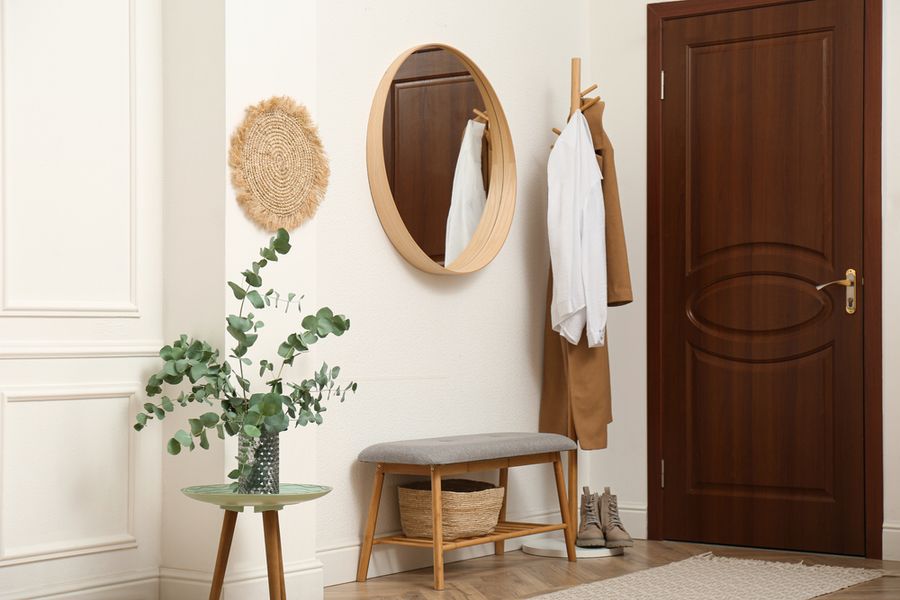
The entryway is often the smallest space in the home, yet it handles constant traffic. Shoes pile up, bags land on chairs, and clutter spreads quickly. The right entryway furniture can solve the problem by giving everyday items a clear place to live. When shoes and bags are properly contained, the whole home feels calmer. Thoughtful furniture choices help maintain order without turning the entryway into a crowded storage zone.
Why Containment Matters in Entryways
Shoes and bags are usually the first items dropped when coming home. Without clear storage, they end up scattered across the floor, blocking walkways and creating visual clutter. Containment keeps these items enclosed, reducing mess and making the space easier to clean.
Furniture designed for containment also supports routines. When everyone knows where shoes and bags go, habits form naturally. This makes mornings smoother and reduces last-minute searches. A contained entryway sets the tone for the rest of the home by creating a sense of order right at the door.
Shoe Cabinets That Hide the Mess
Shoe cabinets are one of the most effective solutions for entryway clutter. Unlike open racks, closed shoe cabinets keep footwear out of sight while still being easy to access. Many designs use slim profiles that fit against walls without taking up much floor space.
Tilt-out shoe cabinets are especially useful in narrow entryways. They store shoes vertically, allowing for higher capacity in a smaller footprint. For households with multiple people, cabinets with adjustable shelves offer flexibility for different shoe sizes and styles. Keeping shoes hidden reduces visual noise and helps the entryway feel more spacious.
Storage Benches With Dual Purpose
Storage benches combine seating and containment in one piece. They provide a place to sit while putting on shoes and include hidden compartments for storage. This dual function is ideal for small entryways where every piece of furniture needs to work hard.
Benches with lift-up seats or pull-out drawers can hold shoes, bags, or seasonal items. Some designs include cubbies with baskets, which keep items organized while allowing quick access. By containing clutter inside the bench, the entryway stays tidy without sacrificing comfort or convenience.
Wall-Mounted Solutions for Bags and Accessories
Bags often create clutter because they are bulky and frequently used. Wall-mounted entryway furniture helps keep them contained without using floor space. Cabinets, shelves with hooks, or enclosed wall units provide storage while keeping the floor clear.
Closed wall cabinets work well for handbags, backpacks, and daily accessories. When paired with lower shoe storage, they create a complete containment system. Hooks placed inside cabinets or behind doors offer hidden hanging space, keeping bags off chairs and doorknobs while maintaining a clean look.
Entryway Consoles With Hidden Storage
Entryway consoles are commonly used for keys and decor, but models with built-in storage offer much more value. Consoles with drawers or cabinet doors can hold small bags, wallets, and daily essentials that otherwise create surface clutter.
Choosing a console with both open and closed storage allows for balance. Frequently used items can stay within reach, while less attractive items remain hidden. This approach keeps the entryway functional without feeling overloaded. Slim consoles work best in tight spaces, offering storage without blocking movement.
Modular Entryway Systems for Growing Needs
Modular entryway furniture allows containment to evolve with changing needs. These systems often include a combination of cabinets, benches, hooks, and shelves that can be rearranged or expanded over time. This flexibility is helpful for families or households that experience frequent changes.
Modular designs make it easier to assign zones for different people. Each person can have a dedicated space for shoes and bags, reducing confusion and overlap. Containment becomes personalized, which increases the chances that the system stays organized long term.
Choosing Materials That Handle Daily Use
Entryway furniture sees heavy use, so materials matter. Shoes bring in dirt and moisture, while bags can be heavy. Furniture made from durable materials holds up better and stays looking neat.
Smooth surfaces are easier to clean and resist wear. Closed storage also protects items from dust and damage. Choosing furniture that can handle daily use without showing wear helps maintain a clean entryway with less effort.
Layout Tips for Better Containment
Even the best furniture will not work if the layout is poor. Entryway containment works best when furniture is placed where items naturally land. Shoe storage should be close to the door, and bag storage should be easy to reach when entering or leaving.
Keeping pathways clear is essential. Avoid overcrowding the space with too many pieces. One or two well-chosen furniture items often work better than several small ones. Good layout supports habits and keeps the entryway functioning smoothly.
A Tidy Entryway Starts With the Right Furniture
Entryway furniture that contains shoes and bags helps prevent clutter before it spreads. Shoe cabinets, storage benches, wall-mounted units, and modular systems all offer ways to keep everyday items organized and out of sight.
By choosing furniture designed for containment and placing it thoughtfully, the entryway becomes easier to manage and more welcoming. A well-contained entryway creates a calmer start and end to every day, setting the tone for the entire home.