

Not every home has large windows or bright sunlight, but that doesn’t mean you have to give up on houseplants. Many indoor plants grow well in low-light conditions and require very little daily care. They are ideal for apartments, offices, and rooms that don’t receive direct sun. By choosing the right varieties, you can enjoy greenery that improves the look and feel of your space without constant attention or complicated routines.
Why Low-Light Houseplants Are Easier to Maintain
Low-light houseplants tend to grow more slowly, which means they need less frequent watering and trimming. Because they are adapted to shaded environments, they do not rely on direct sunlight to survive. This makes them more forgiving if lighting conditions are not ideal.
These plants also handle missed waterings better than sun-loving varieties. Overwatering is one of the most common problems with houseplants, and low-light plants are often more tolerant of dry soil. This combination of slower growth and resilience makes them a good choice for beginners or busy households.
1) Snake Plant (Sansevieria)
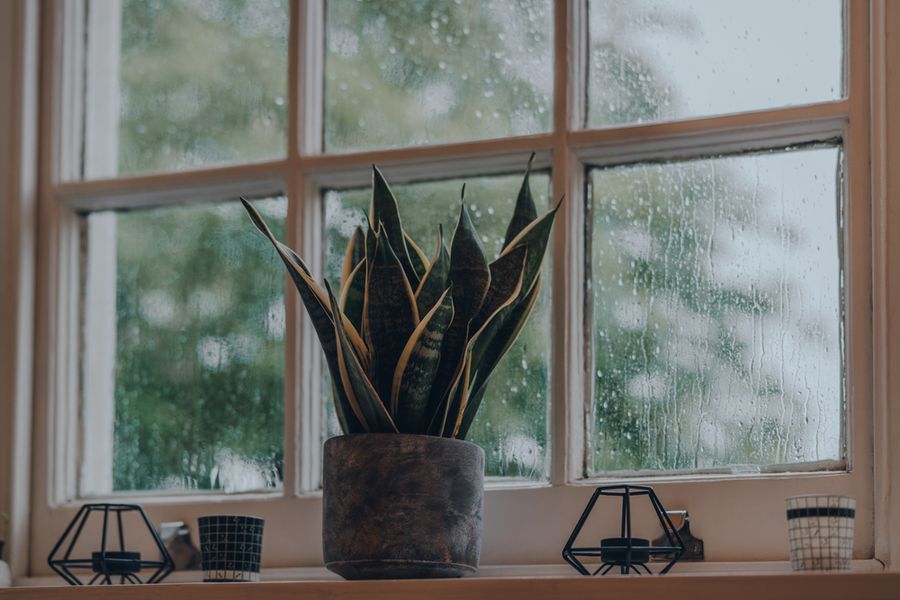
The snake plant is one of the toughest houseplants available. Its upright, stiff leaves store water, allowing it to survive long periods without attention. Snake plants grow well in low light and can tolerate brighter conditions too, making them very adaptable.
Watering is simple. Let the soil dry out completely between waterings. Too much water is more harmful than too little. Snake plants also help keep indoor spaces looking clean and modern due to their structured shape. They work well in corners, bedrooms, and offices where light is limited.
2) ZZ Plant (Zamioculcas zamiifolia)
The ZZ plant is known for its glossy leaves and strong tolerance for low light. It stores water in thick roots, which allows it to survive infrequent watering. This makes it ideal for people who travel or forget to water plants regularly.
ZZ plants grow slowly and maintain a neat appearance with little effort. They prefer indirect light but can survive in rooms with very little natural light. Allow the soil to dry out before watering again. Over time, the plant remains steady and attractive without much care.
3) Pothos
Pothos is a popular trailing plant that adapts well to low-light spaces. While it grows faster in brighter light, it still survives and stays healthy in dim rooms. Its heart-shaped leaves come in several color patterns, adding visual interest without extra work.
Pothos is easy to manage. Water when the soil feels dry, and trim vines occasionally to control growth. It can be placed on shelves, in hanging baskets, or allowed to trail along furniture. Pothos is a flexible option for adding greenery to almost any room.
4) Cast Iron Plant (Aspidistra)
The cast iron plant lives up to its name. It is extremely durable and handles low light, uneven watering, and temperature changes better than most houseplants. This plant grows slowly but steadily, making it a long-term option for indoor spaces.
Its dark green leaves add a calm, natural look to rooms that lack sunlight. The cast iron plant prefers indirect light but tolerates deep shade. Water only when the top layer of soil is dry. This plant is ideal for hallways, offices, and corners where other plants struggle.
5) Peace Lily
Peace lilies are often associated with brighter spaces, but they can also adapt to low light. While they may produce fewer flowers in dim rooms, their broad green leaves remain healthy and attractive. Peace lilies are also good at signaling when they need water.
When the leaves begin to droop, it’s time to water. This clear signal makes care simple. Peace lilies prefer evenly moist soil but do not like sitting in water. They work well in bedrooms, living rooms, and offices with indirect or limited light.
Tips for Keeping Low-Light Plants Healthy
Even low-light plants need some care. Avoid placing them in complete darkness. Ambient light from windows or room lighting is usually enough. Rotate plants occasionally so all sides receive light evenly.
Be careful with watering. Low-light conditions mean slower evaporation, so soil stays moist longer. Always check soil moisture before watering. Using pots with drainage holes helps prevent water buildup.
Dust can block light from leaves, so gently wiping them from time to time helps plants stay healthy. Keeping plants clean also improves their appearance.
Choosing the Right Plant for Your Space
When selecting a low-light houseplant, consider where it will live and how often you want to care for it. Upright plants like snake plants work well in floor spaces, while trailing plants like pothos suit shelves and hanging areas.
Matching plant size and growth style to your space makes maintenance easier. Starting with one or two plants helps build confidence before adding more. Low-light plants are forgiving, which makes them a great starting point for indoor gardening.
Greenery Without the Stress
Low-light houseplants make it possible to enjoy indoor greenery without constant upkeep. Plants like snake plants, ZZ plants, pothos, cast iron plants, and peace lilies thrive in dim spaces and require minimal care.
By choosing plants that match your lighting conditions and lifestyle, you can create a calmer, more inviting home environment. With simple attention and the right choices, even low-light rooms can feel fresh and alive year-round.