

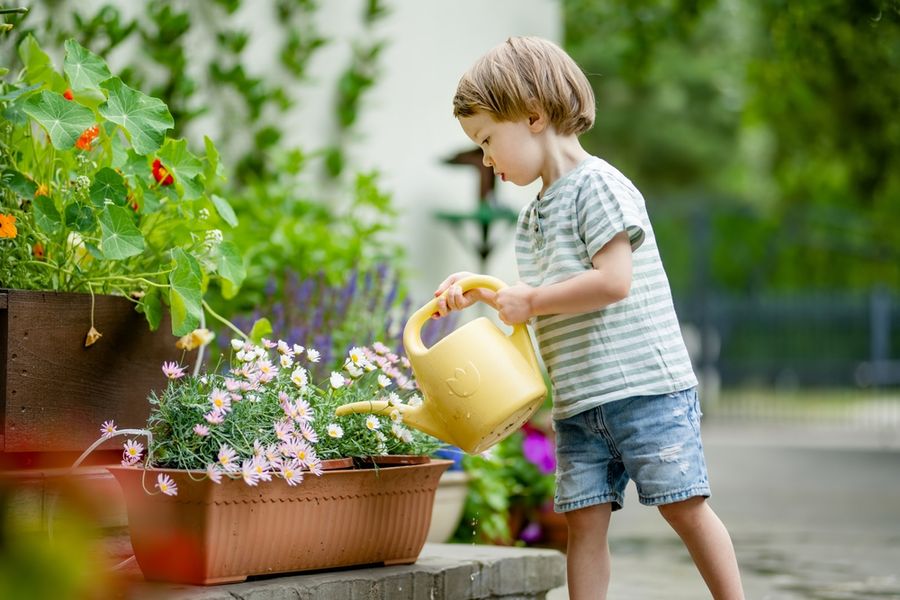
Teaching responsibility does not require complex systems or strict rules. Simple chores give kids a clear way to contribute, learn skills, and understand that their actions matter. When chores are age-appropriate and consistent, they help children build confidence and independence over time. Rather than focusing on perfection, chores work best when they are part of daily life. With the right approach, small tasks become powerful tools for teaching responsibility in a calm, supportive way.
Why Chores Matter for Responsibility
Chores help children see themselves as capable and useful members of the household. When kids complete tasks that support the family, they learn that effort leads to real results. This sense of contribution builds pride and accountability.
Responsibility grows through repetition. Simple chores completed regularly teach follow-through and reliability. Kids begin to understand that certain tasks are expected, not optional, and that others depend on them. These lessons carry over into school, friendships, and later life, where responsibility shows up in many forms.
Choosing Age-Appropriate Chores
Chores work best when they match a child’s age and ability. Tasks that are too hard lead to frustration, while tasks that are too easy can feel meaningless. Starting small allows children to succeed and build confidence.
Young children can help with simple actions like putting toys away, wiping surfaces, or matching socks. Older kids can take on tasks like setting the table, feeding pets, or helping with laundry. As children grow, chores can gradually become more complex, but the goal remains the same: steady contribution, not perfection.
Matching chores to ability makes responsibility feel achievable rather than overwhelming.
Consistency Builds Better Habits
Consistency is more important than the number of chores. When tasks happen at the same time or in the same order each day, they become habits instead of negotiations. Predictable routines reduce resistance and make chores feel like a normal part of life.
For example, cleaning up toys before dinner or making the bed after waking up creates clear expectations. When chores are tied to routines, kids are less likely to argue because the task is simply what comes next. Over time, this consistency helps responsibility become automatic rather than forced.
Focus on Effort, Not Perfection
One of the most common mistakes parents make is expecting adult-level results from kids. Chores are learning opportunities, not inspections. When children feel criticized for imperfect work, they may avoid helping altogether.
Praising effort encourages kids to keep trying. Gentle guidance works better than constant correction. If a task needs improvement, showing how to do it differently is more effective than pointing out mistakes. Responsibility grows when kids feel supported, not judged.
Allowing room for learning keeps chores positive and sustainable.
Giving Kids Ownership Over Tasks
Responsibility increases when kids feel ownership over their chores. Assigning specific tasks rather than asking for help randomly gives children a clear role. When a child knows a job is theirs, they are more likely to take it seriously.
Ownership also reduces reminders. If one child is responsible for feeding a pet or clearing the table, the task becomes part of their identity within the family. This clarity builds accountability and reduces conflict over who should do what.
Letting kids manage their own tasks, with support when needed, strengthens independence.
Avoiding Power Struggles Around Chores
Chores can quickly turn into arguments if they are framed as punishments or demands. Keeping a calm, neutral tone helps prevent power struggles. Chores should be presented as shared responsibilities rather than consequences for bad behavior.
Clear expectations and routines reduce the need for repeated reminders. When reminders are needed, keeping them brief and calm works better than lectures. Consistency matters more than emotional intensity. Over time, this approach reduces tension and makes chores feel less personal.
Responsibility grows best in a low-pressure environment.
Using Chores to Teach Life Skills
Beyond responsibility, chores teach practical life skills. Cooking, cleaning, organizing, and caring for shared spaces prepare kids for independence. These skills also build confidence, as children see themselves mastering real tasks.
Involving kids in everyday household work shows them how things function behind the scenes. This understanding builds respect for effort and time. Chores are not just about helping now, but about preparing kids for future independence and self-reliance.
Learning by doing makes these lessons stick.
Adapting Chores as Kids Grow
Children’s abilities and schedules change over time. Revisiting chore expectations helps keep them appropriate and fair. A task that worked last year may need adjustment as schoolwork, activities, or maturity levels change.
Including kids in conversations about chores encourages cooperation. Asking what feels manageable helps them take ownership while still respecting boundaries. Adjustments should support growth without removing responsibility altogether.
Flexibility keeps chores relevant and effective.
Encouraging Responsibility Without Rewards
While rewards can motivate short-term behavior, they are not necessary for teaching responsibility. Chores are part of being in a family, not transactions. When tasks are done for the sake of contribution, responsibility becomes internal rather than dependent on rewards.
Acknowledgment and appreciation go a long way. A simple thank-you reinforces effort without turning chores into bargaining tools. Over time, kids learn that responsibility is expected and valued, not something that needs constant incentives.
Small Tasks, Lasting Lessons
Teaching kids responsibility through simple chores works because it is practical, consistent, and rooted in daily life. Age-appropriate tasks, steady routines, and a focus on effort help children build confidence and accountability over time.
When chores are framed as contributions rather than punishments, kids learn responsibility without pressure. These small tasks may seem simple, but the habits and skills they build can last a lifetime.