

Family traditions no longer look the same as they did decades ago. Busy schedules, blended households, remote work, and digital life have changed how families spend time together. Still, the need for connection has not changed. Modern traditions offer flexible, meaningful ways for families to stay close without adding pressure or complexity. Modern traditions focus less on formality and more on consistency, shared presence, and small moments that build trust and belonging over time.
Why Traditions Still Matter in Modern Families
Traditions create rhythm and predictability, which help families feel grounded. When life feels fast or uncertain, shared routines provide stability. Traditions also give family members something to look forward to, even during busy or stressful weeks.
Modern traditions work best when they fit real life. They do not need to be tied to holidays or major events. What matters is repetition and intention. When families return to the same shared moments again and again, connection grows naturally without forced conversations or planned activities.
Weekly Check-Ins That Encourage Open Conversation
One modern tradition many families find helpful is a weekly check-in. This can happen during dinner, a walk, or a quiet moment at home. The purpose is simple: give everyone space to share how they are doing.
These check-ins do not need to feel like meetings. They can be guided by simple questions about highlights, challenges, or upcoming plans. Over time, this tradition builds trust and makes communication feel normal rather than reactive. When kids and adults know there is a regular time to talk, they are more likely to open up without pressure.
Shared Meals Without Distractions
Shared meals remain one of the strongest ways to build connection, even in modern households. The key difference today is intention. With screens everywhere, choosing to make meals device-free turns an everyday activity into a meaningful tradition.
These meals do not need to happen every day. Even a few times a week can make a difference. The focus is not on perfect conversation, but on presence. Sitting together without distractions creates space for natural interaction, laughter, and quiet moments that strengthen relationships over time.
Short, Repeatable Rituals That Fit Busy Schedules
Not all traditions need to take a lot of time. Short, repeatable rituals often work best for modern families. This might include a bedtime routine, a morning send-off phrase, or a brief evening walk together.
Because these rituals are small, they are easier to maintain during busy weeks. Their power comes from repetition. These moments signal care and consistency, especially for children. Over time, they become emotional anchors that reinforce connection even when schedules are full.
Family Activities That Encourage Teamwork
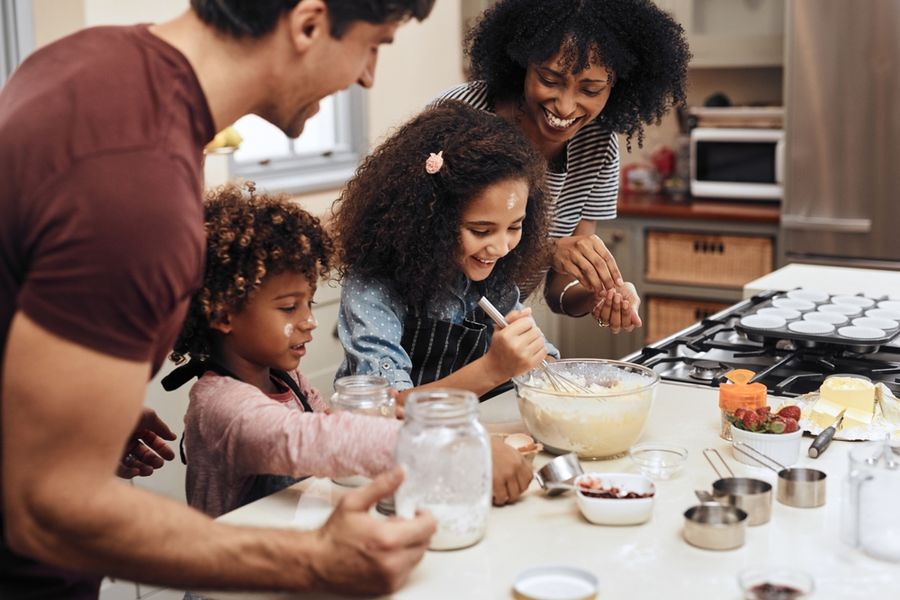
Modern traditions often focus on doing things together rather than watching or consuming together. Activities that involve teamwork, such as cooking meals, planning trips, or working on small projects, create shared experiences.
These activities allow family members to contribute in different ways. They also encourage cooperation and problem-solving. The goal is not efficiency, but participation. When families work together toward a shared outcome, connection grows through shared effort rather than conversation alone.
Celebrating Personal Wins as a Family
Another modern tradition that strengthens connection is celebrating personal wins, both big and small. This might include finishing a project, learning a new skill, or getting through a hard week.
Taking time to acknowledge these moments helps family members feel seen and supported. Celebrations do not need to be elaborate. A shared acknowledgment, kind words, or a simple family moment reinforces that everyone’s experiences matter. Over time, this builds a culture of encouragement rather than competition.
Device-Free Time Blocks That Support Presence
Technology plays a major role in modern life, but setting aside device-free time can become a meaningful tradition. This might be a specific evening each week or a daily window where devices are put away.
The consistency of this boundary matters more than the length of time. Knowing that there is protected space for connection helps family members slow down and engage more fully. When device-free time becomes routine, it feels less restrictive and more supportive.
Traditions That Adapt as Families Change
One of the strengths of modern traditions is flexibility. Families change as children grow, schedules shift, and responsibilities evolve. Traditions that adapt are more likely to last.
Checking in regularly about what is working helps keep traditions relevant. Letting kids have input also increases engagement. When traditions evolve with the family, they remain meaningful instead of becoming obligations.
Why Small Traditions Often Work Best
Large, infrequent events can be memorable, but small, frequent traditions often have a deeper impact. These moments accumulate quietly, shaping how family members relate to one another over time.
Small traditions reduce pressure and make connection feel natural. They also recover more easily after disruptions. If a tradition is missed one week, it can resume the next without guilt. This flexibility supports long-term consistency.
Connection Built Through Consistent Moments
Modern traditions strengthen family connection by fitting into real life rather than competing with it. Weekly check-ins, shared meals, short rituals, teamwork activities, and device-free time all create opportunities for presence and trust.
These traditions do not need to be perfect or elaborate. Their power comes from consistency and intention. By choosing traditions that support connection in simple ways, families create a foundation of closeness that grows stronger over time.