

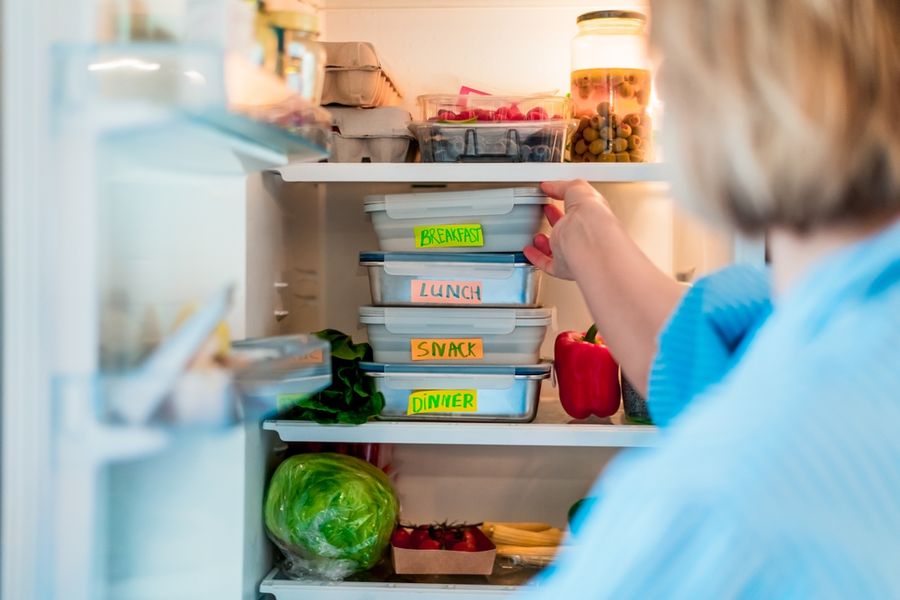
Weeknights often feel rushed. Between work, school, errands, and family needs, deciding what to cook can become one more source of pressure. Weekly meal planning offers a simple way to reduce that stress by removing daily decision-making from already busy evenings. Instead of scrambling at the last minute, meals are planned ahead with intention. The approach helps households save time, reduce frustration, and create calmer, more predictable weeknights without requiring complicated systems or strict rules.
Why Weeknight Dinners Feel So Stressful
Weeknight stress around meals usually comes from a mix of fatigue and uncertainty. After a long day, energy is low and patience is limited. When dinner plans are unclear, even small obstacles feel overwhelming.
The mental load of deciding what to eat, checking ingredients, and adjusting plans adds pressure. This stress often leads to rushed choices, repeated meals, or last-minute takeout. Over time, this pattern creates frustration and tension. Understanding that the stress comes from decision overload, not cooking itself, helps explain why planning ahead can make such a difference.
How Planning Ahead Reduces Decision Fatigue
Weekly meal planning works because it shifts decisions to a calmer time. Instead of choosing dinner while tired and hungry, choices are made in advance, often when there is more mental space.
This reduces daily decision fatigue. When dinner is already planned, evenings become more predictable. You know what ingredients are needed and what steps are involved. This clarity lowers stress and allows attention to move toward cooking, eating, and spending time together rather than debating options.
Fewer daily decisions also free up mental energy for other important tasks.
Making Grocery Shopping More Efficient
Meal planning simplifies grocery shopping. With a clear plan, shopping becomes faster and more focused. Instead of wandering aisles or forgetting key items, you shop with a purpose.
A planned grocery list reduces repeat trips to the store and minimizes last-minute substitutions. It also helps prevent overbuying items that go unused. When the kitchen is stocked with what is needed for the week, cooking feels more manageable and less chaotic.
This efficiency supports smoother evenings because ingredients are ready when it is time to cook.
Creating Predictable Weeknight Routines
Meal planning supports routine, which reduces stress. When dinners follow a predictable flow, evenings feel more stable. You know when cooking starts, how long it will take, and what happens next.
This predictability is especially helpful for families. Children benefit from knowing when meals happen and what to expect. Adults benefit from fewer surprises. Over time, routines reduce resistance and make transitions easier, from homework to dinner to bedtime.
Routine does not mean rigid. It simply provides structure that supports calmer evenings.
Reducing Last-Minute Conflicts and Tension
Many weeknight arguments happen around food. Disagreements about what to eat, how long dinner will take, or whether to order out often surface when everyone is tired.
Meal planning reduces these conflicts by setting expectations ahead of time. When meals are planned together or shared in advance, there is less room for negotiation during stressful moments. This clarity helps prevent frustration and keeps evenings focused on connection rather than conflict.
Clear plans support smoother communication.
Supporting Healthier Choices Without Pressure
When meals are planned ahead, choices tend to be more balanced. Planning allows time to consider variety, preferences, and simple nutrition goals without rushing.
This does not mean every meal must be perfect. It means fewer impulsive choices made under stress. Planning supports consistency rather than strict rules. Over time, this leads to better eating habits without added pressure or guilt.
Healthier routines often feel easier when stress is reduced.
Making Meal Planning Realistic and Sustainable
Meal planning does not need to be complicated. A simple list of meals for the week is enough. Some families plan every meal, while others focus only on dinners. What matters is choosing a level of planning that fits your lifestyle.
Repeating favorite meals, planning leftovers, or leaving one flexible night helps prevent burnout. Planning should support life, not create more work. Keeping it simple makes the habit easier to maintain.
Sustainable systems reduce stress more effectively than perfect ones.
Involving the Household in the Process
Sharing meal planning responsibilities can reduce stress even further. When everyone has input, meals are more likely to be enjoyed and supported.
Involving family members also spreads the mental load. Children can help choose meals or assist with simple prep tasks. This shared responsibility builds cooperation and reduces complaints at dinnertime.
When planning becomes a shared habit, it strengthens routines and connection.
Saving Time During Busy Evenings
Time savings are one of the most noticeable benefits of meal planning. Knowing what to cook eliminates delays and indecision. Prep can be done ahead when time allows, making weeknights smoother.
Shorter cooking times and fewer interruptions create more space for rest or family time. Even small time savings add up over the course of a week, reducing overall stress levels.
Time regained supports better evenings.
Staying Flexible When Plans Change
Even with planning, unexpected changes happen. Flexibility is key. Meal planning works best when it allows room for adjustments without guilt.
If a meal gets moved or skipped, it can be used another day. Planning provides guidance, not strict rules. This flexibility keeps stress low and prevents planning from feeling like another obligation.
Adaptability makes the system resilient.
Calmer Evenings Through Simple Planning
Weekly meal planning reduces weeknight stress by removing daily decisions, creating routines, and improving preparation. It supports smoother grocery shopping, fewer conflicts, and more predictable evenings. Planning does not need to be complex to be effective.
When meals are decided ahead of time, weeknights become calmer, more organized, and easier to enjoy. With a simple, flexible approach, meal planning becomes a practical tool for reducing stress and supporting better daily balance.