

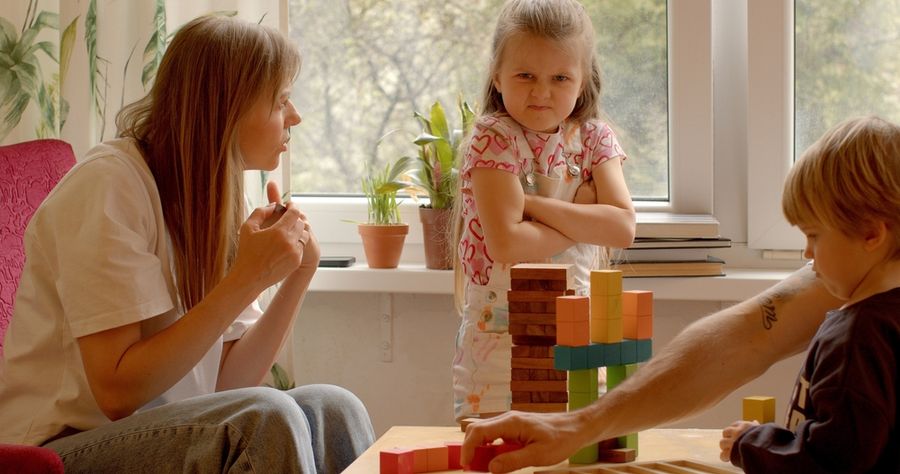
Children learn how to manage emotions by watching the adults around them. Long before they can explain their feelings, they notice how parents and caregivers respond to stress, frustration, and conflict. Emotional regulation is not about staying calm all the time. It is about responding to emotions in healthy, steady ways. When adults model mature skills consistently, children gain practical examples they can use as they grow and face challenges of their own.
Why Modeling Matters More Than Teaching
Children absorb behavior through observation. While talking about emotions is helpful, actions often have a stronger impact. When adults pause before reacting, speak calmly during stress, or recover after a mistake, children see emotional regulation in real time.
This modeling shows children that emotions are normal and manageable. It also teaches that feelings do not need to control behavior. Over time, children begin to copy these responses, using them as templates for handling their own emotions in school, friendships, and family life.
Recognizing Your Own Emotional Patterns
Modeling emotional regulation starts with awareness. Adults need to notice how they respond when emotions run high. This includes moments of anger, overwhelm, sadness, or impatience. Paying attention to patterns helps identify areas where regulation can improve.
You do not need to eliminate emotional reactions. Instead, focus on how you move through them. Noticing physical signs like a raised voice or tense body helps create space to respond differently. This awareness allows adults to model emotional regulation in a more intentional and consistent way.
Showing Calm Responses During Stressful Moments
Stressful moments provide some of the strongest teaching opportunities. When things go wrong, children watch closely to see how adults handle it. Staying calm does not mean suppressing emotion. It means responding with control and clarity.
Using steady tones, slowing speech, and taking a breath before reacting all demonstrate regulation. If frustration appears, naming it calmly helps children understand that emotions can be acknowledged without causing harm. These moments teach children that stress can be managed without yelling or shutting down.
Naming Emotions Out Loud
Naming emotions helps children build emotional awareness. When adults say things like “I feel frustrated, so I am going to take a moment,” they show that feelings can be identified and addressed. This turns emotional regulation into something visible and understandable.
This practice also normalizes emotional expression. Children learn that having feelings is acceptable and that there are healthy ways to respond. Naming emotions creates a shared language that makes later conversations about feelings easier and less overwhelming.
Demonstrating Healthy Coping Strategies
Children benefit from seeing how adults cope with strong emotions. This might include taking a short break, practicing slow breathing, stepping outside, or asking for help. When these actions are done openly, children learn practical tools they can use themselves.
Consistency matters. Using the same coping strategies regularly helps children recognize patterns. Over time, they begin to associate these behaviors with calming down and problem-solving. This modeling turns abstract advice into real-life skills.
Repairing After Emotional Mistakes
No one regulates emotions perfectly all the time. What matters most is how adults respond after mistakes. Apologizing for yelling or snapping shows children that accountability is part of emotional regulation.
Repairing moments teach children that mistakes do not end relationships. Explaining what happened and what could be done differently next time reinforces learning. These conversations show that emotional regulation includes reflection and growth, not just control in the moment.
Keeping Expectations Age-Appropriate
Children develop emotional regulation skills gradually. Expecting young children to manage emotions like adults leads to frustration for everyone. Modeling regulation means adjusting expectations to match developmental stages.
Adults can guide children through emotions rather than demanding instant calm. Offering support, structure, and reassurance helps children practice regulation with help. Over time, they gain confidence in handling emotions independently, guided by the examples they see daily.
Creating a Calm Home Environment
The environment plays a role in emotional regulation. Homes with predictable routines and clear expectations reduce emotional overload. When children know what to expect, they feel safer and more secure.
Adults who prioritize calm transitions, consistent schedules, and quiet moments help regulate the emotional tone of the household. This does not mean avoiding all stress, but creating a baseline of stability that supports emotional growth for everyone.
Using Everyday Moments as Teaching Opportunities
Emotional regulation does not need formal lessons. Everyday moments provide natural opportunities for modeling. Traffic delays, spilled drinks, and schedule changes all offer chances to show calm responses.
Handling these moments with patience teaches children that challenges are part of life and can be managed. Over time, children internalize these responses and begin to use them in their own situations, both at home and outside the family.
Encouraging Open Emotional Communication
Modeling emotional regulation also includes listening. When adults listen without interrupting or dismissing feelings, children feel safe expressing emotions. This reinforces the idea that emotions are manageable and worth discussing.
Responding with empathy rather than correction helps children learn to process feelings rather than suppress them. Open communication strengthens emotional trust and supports long-term regulation skills.
Teaching Through Daily Example
Modeling emotional regulation for children happens through everyday actions, not perfect behavior. By recognizing emotions, responding calmly, naming feelings, and repairing mistakes, adults provide powerful lessons. Children learn that emotions are normal and manageable through consistent examples.
Over time, these daily moments shape how children handle stress, frustration, and conflict. Emotional regulation becomes a shared skill, built through patience, awareness, and steady modeling at home.